
 TABLES
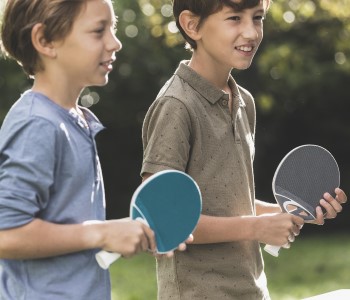
 BATS
BATS
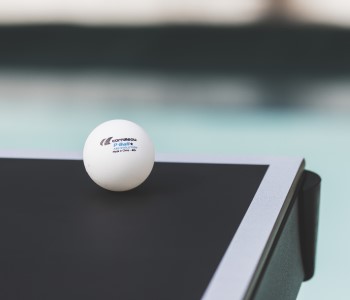
 BALLS
BALLS
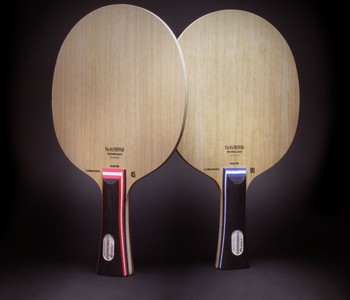
 BLADES
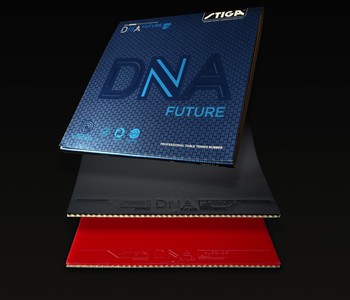
 RUBBERS
 ROBOTS
 ACCESSORIES
 DARTS
DARTS
 POOL TABLES
 Aussie Table Tennis is Australia's No.1 Table Tennis Shop celebrating 50 years. We have been offering Table Tennis Tables, Bats, Blades, Rubbers, Robots and Balls since 1971.

Aussie Table Tennis is an Australian owned Table Tennis Shop with over 50 years experience of making kids and adults laugh and play through the game of table tennis. Established in 1971 by TTA Life Member Mr Noel Shorter, we were the first Table Tennis business in Australia and today remain Australia's biggest Table Tennis retailer.
We offer products from the best ping pong brands including STIGA, Cornilleau, Sunflex, Summit, Yasaka, Y&T and Butterfly. We ship Australia wide including Sydney, Brisbane, Melbourne, Canberra, Adelaide, Darwin, Hobart and Perth. We provide reliable quality products with easy ordering, fast delivery, and helpful customer service. Our tables are durable and safe and we have the largest range of Indoor and Outdoor Table Tennis Tables in Australia. We are here to help with expert advice.
Aussie Table Tennis - Trusted Partner For Table Tennis In Australia
Aussie Table Tennis Australia's leading supplier of high-quality Table Tennis Tables and equipment. With over years of experience, we are the go-to provider for all table tennis, offering a wide range of products, including tables, bats, blades, rubbers, robots, and accessories. Whether you're a beginner looking to start your table tennis journey or a seasoned player seeking top-quality gear, Aussie Table Tennis is here to help you.
Why Choose Aussie Table Tennis?
At Aussie Table Tennis, we aim to offer the best products, the most reliable service, and expert advice to beginners and professionals alike. We are proud to be Australia's largest table tennis retailer, serving customers from all corners of the country. Our team of extensive knowledge and dedication to customer satisfaction have earned us a reputation you can trust.
Areas We Serve
Our company has a strong presence in the Australian residents. Whether you're in Sydney, Brisbane, Melbourne, or Perth, we are here for your table tennis needs.
- Table Tennis Table In Sydney: Sydney residents can enjoy fast shipping and access to our broad selection of Outdoor table tennis tables and outdoor pool tables. Whether for home use, offices, or recreational spaces, we offer expert guidance to help you select the perfect table for your needs.
- Table Tennis Table In Brisbane: We offer our local store and convenient delivery options for customers in Brisbane. Brisbane residents can trust our high-quality tables, bats, and accessories to enhance their playing experience.
- Table Tennis Table Nearby Melbourne: Our range of Table Tennis Tables serves Melbourne customers equally well. We ensure on-time delivery and expert advice to ensure you get the best product for your space and usage.
- Table Tennis Table Nearby Perth: Customers in Perth and surrounding areas can rely on our fast-shipping service. Whether you're looking for a durable outdoor table or a professional indoor setup, we have you covered.
Our Products and Services
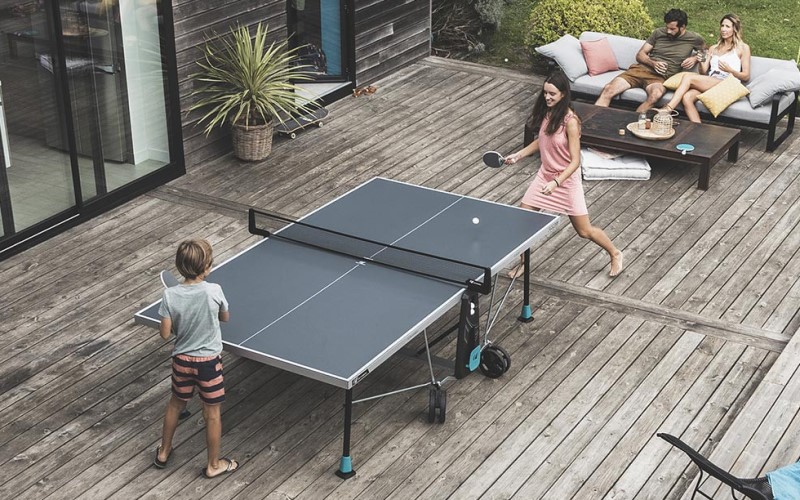
Table Tennis Tables
As Australia's largest provider of Table Tennis Tables, we offer a wide range of options for every player. Whether you're looking for a Table Tennis Table in Sydney, a Table Tennis Table in Brisbane, or a Table near Melbourne or Perth, we have the right product. Our inventory includes:
- Indoor Tables: Perfect for home or office play.
- Outdoor Tables: Weather-resistant and built to last, ideal for use in any outdoor setting.
- Competition Tables: We stock ITTF-approved tables for serious players for tournament play.
Our tables are sourced from the best brands, including STIGA, Cornilleau, Sunflex, and Summit. With a strong emphasis on quality, safety, and durability, our tables are designed to provide a premium playing experience.
Bats
We know that the right bat can make all the difference in your game. That’s why we offer a wide selection of table tennis bats for all skill levels. Whether you’re a casual player or a competitive athlete, we have bats from leading brands like Butterfly, Yasaka, STIGA, and Cornilleau. Our range includes:
- Indoor Bats: Lightweight and designed for precision play.
- Outdoor Bats: Built for durability and long-lasting performance in various weather conditions.
- Pro Bats: For those looking to improve their game to the next level.

Blades And Rubbers
Customise your bat with our selection of blades and rubbers. We stock a variety of options to suit different playing styles, from control rubbers for defensive players to fast rubbers for aggressive attackers. Our collection includes products from brands like Butterfly, Yasaka, STIGA, and TIBHAR.
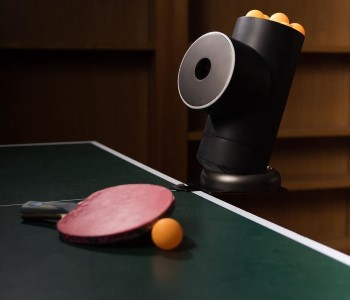
Robots
Are you looking to practice without a partner? Our table tennis robots are an excellent solution. We offer robot packages, nets, and accessories to help you prepare and improve your skills. Whether working on your backhand or trying to perfect your serve, our robots are designed to give you the needed practice.
Accessories
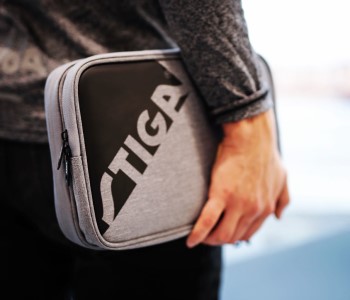
From bat covers to table cleaning products, we carry everything you need to maintain your equipment and enhance your playing experience. Our accessories include:
- Bat Covers: Keep your bat safe when not in use.
- Table Covers: Keep your table in top condition, indoors or outdoors.
- Nets And Posts: Replace or upgrade your setup with our range of durable nets and posts.
- Cleaning Products: Maintain the longevity of your equipment with our specialised cleaning kits.
Darts And Foosball
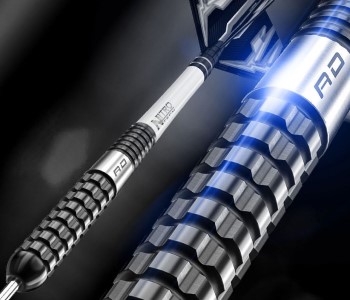
In addition to table tennis, we have a variety of dart and foosball tables. Whether you're looking for professional dart boards or a fun foosball table for your home, we have something for everyone.
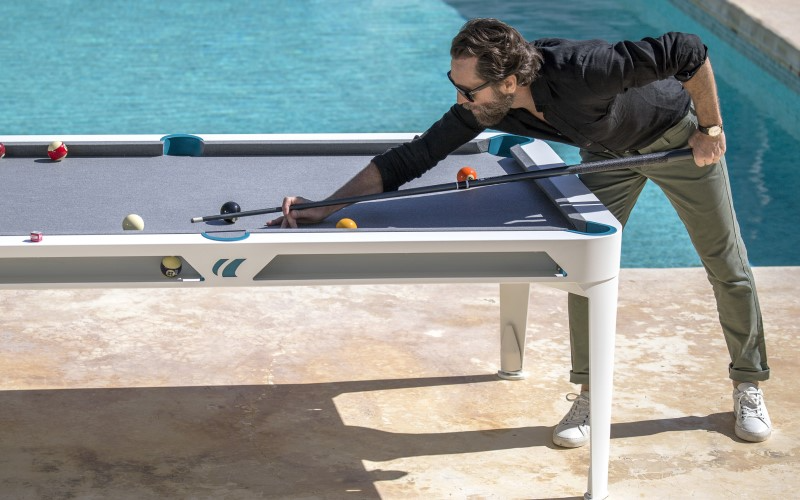
Pool Tables
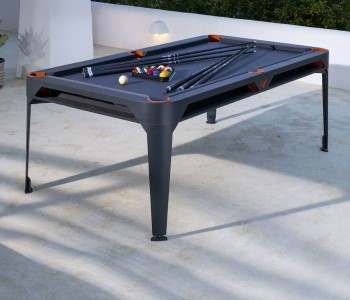
We also offer high-quality pool tables, including outdoor tables and dining tops. Our pool tables are excellent for those looking to combine leisure with functionality.
Our Dedication To Customer Satisfaction
At Aussie Table Tennis, we believe in more than just selling products—we believe in building customer relationships. Our friendly and knowledgeable team is always here to provide expert advice, answer your questions, and help you choose the perfect table tennis setup in Sydney, Brisbane, Melbourne, or looking for a Table Tennis Table near Perth.
We pride ourselves on the following values:
- Quality Products: We only stock the best brands and products, ensuring you receive top-notch equipment.
- Competitive Pricing: We strive to offer the best prices on all our products, with regular sales and discounts to help you save even more.
- Fast And Reliable Shipping: We offer Australia-wide shipping, with fast delivery to major cities like Sydney, Brisbane, Melbourne, and Perth.
- Excellent Customer Service: Our team is always ready to assist you, whether you need help choosing the right product or tracking your order.
Visit Us In-Store Or Shop Online
You can visit one of our stores in Sydney or Brisbane to see our products in person and speak with our team of experts. Alternatively, you can shop from the comfort of your home through our user-friendly online store. We offer comprehensive product descriptions and guides to help you make an informed decision.
Contact Aussie Table Tennis at (02) 9670 0670 or mail us at info@aussietabletennis.com for Australia's best Table Tennis Tables and equipment. Whether you're a recreational player or a serious competitor, we have the right products. From table tennis tables in Sydney to Tables near Melbourne, Brisbane, or Perth, we offer nationwide delivery and exceptional customer service. Browse our selection today and take your game to the next level with Aussie Table Tennis!